
Spain and Portugal, 1837–1974: British Foreign Office Confidential Print Coming Soon Overview

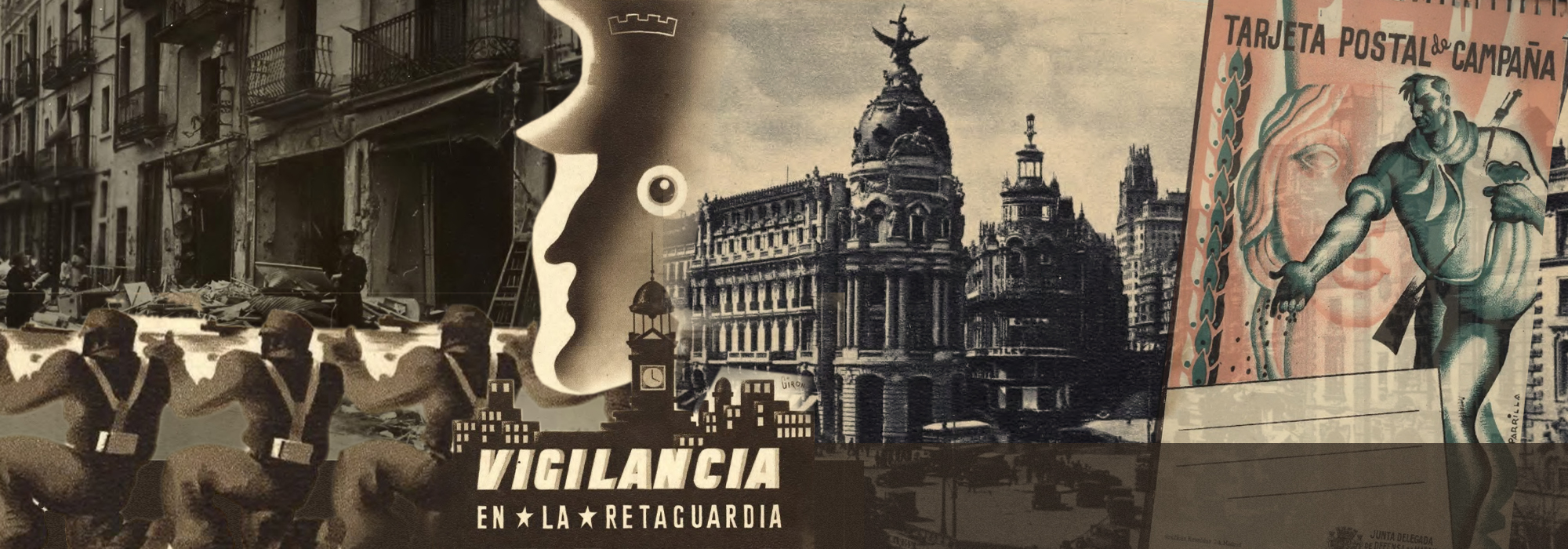
Crisis, civil war, dictatorship, and economics on the Iberian peninsula
Our immediate interest is to keep the Germans out of the Peninsula, and our future interest to have a Spain that is not dominated by our enemies. Provided that these two points are firmly maintained, we can, I suggest, look dispassionately at the marches and counter-marches of the Spanish leaders.Sir S. Hoare to Mr. Eden, 22 February 1943, FO 498/40: Miscellaneous Papers, 1895–1973,
Receive Updates on Release
This collection is coming soon. However, you can register for a free trial here and obtain access as soon as it is released.
Register Institutional Interest
Register InterestExplore how British officials understood—and navigated—the dramatic changes which Spain and Portugal experienced through the nineteenth and twentieth centuries.
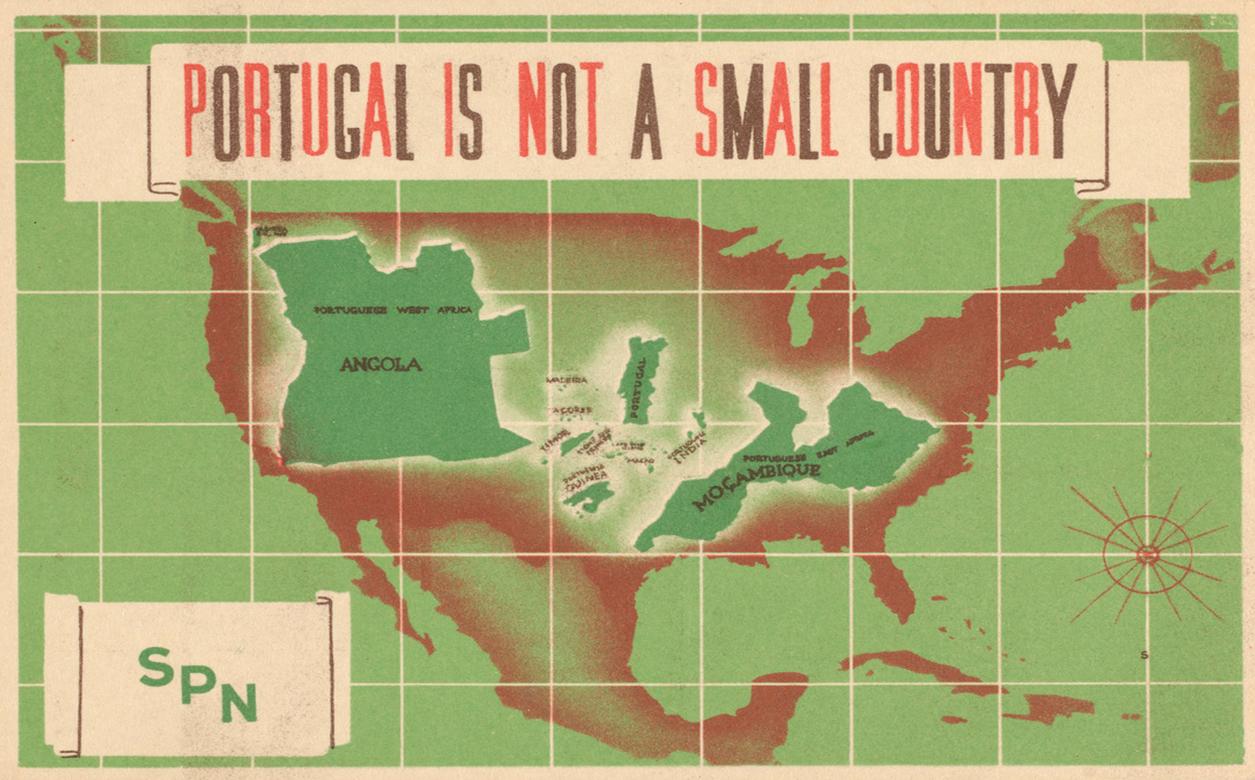
Britain’s relationships with Spain and Portugal have been among its closest, and most complicated, ties to the European continent for hundreds of years. This collection comprises 84 items, including diplomatic correspondence and reports, amounting to over 27,000 pages. It offers unrivalled insights into the changes and reconfigurations that Spain and Portugal experienced in this period. Key topics are covered in particular depth, such as imperial tensions surrounding territories such as Cuba and Gibraltar during the nineteenth century; the development of normalised economic and trade arrangements between Britain, Spain, and Portugal; Britain’s controversial policy of non-intervention during the Spanish Civil War; and the management of complex relationships between Britain and the right-wing regimes of Franco and Salazar in the years after the Second World War. This collection will be of interest to historians of Spain and Portugal. It will also prove valuable to students, educators, and researchers interested in political thought and diplomacy, as well as in key historical themes, such as empire, totalitarianism, and war. It will likewise appeal to those situated within the fields of economics, international relations, and political science.
Register InterestContents
Spain and Portugal, 1837–1974: British Foreign Office Confidential Print...
Collection release coming soon...
Register Interest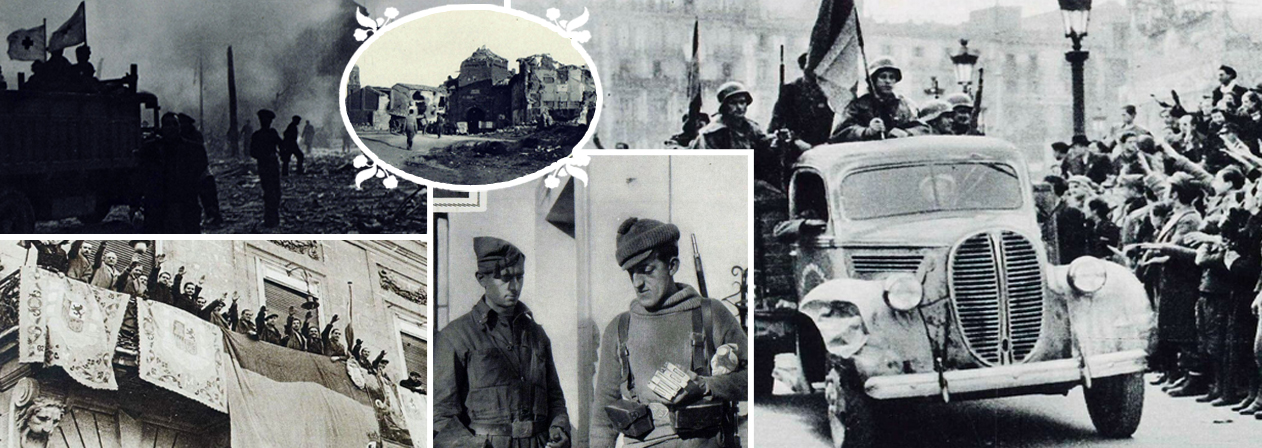
Highlights
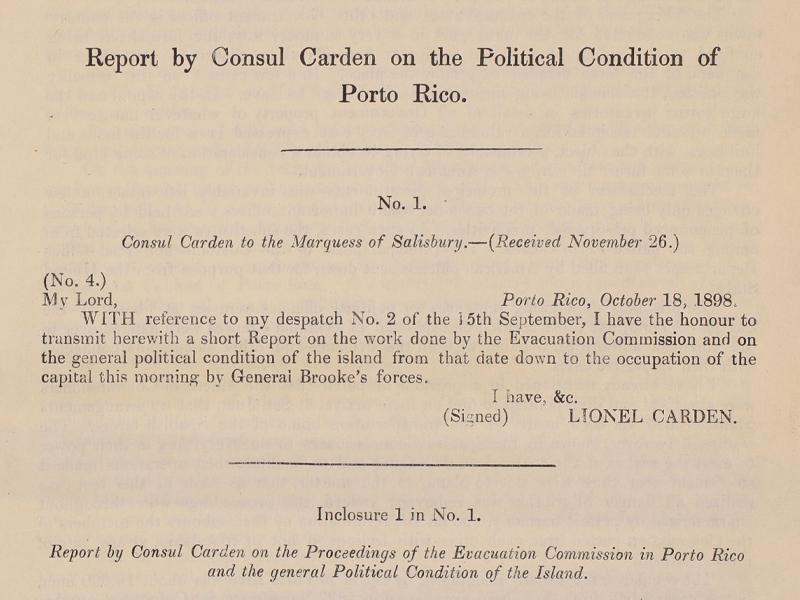
Licensed to access The Spanish-American War (FO 498/40)
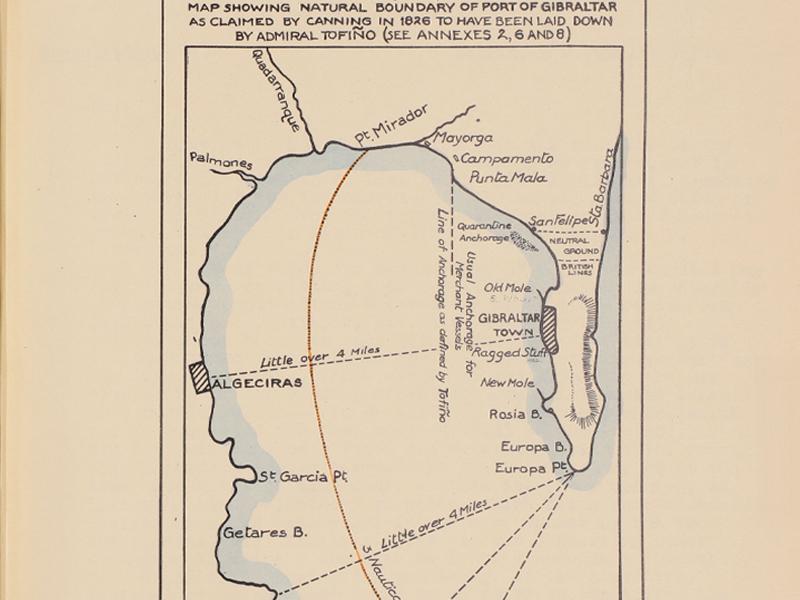
Licensed to access Gibraltar (FO 498/13)
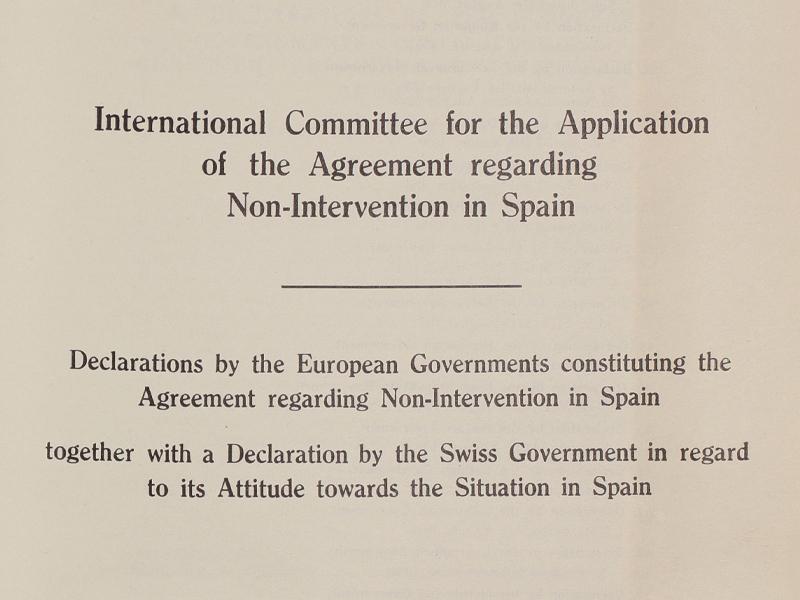
Licensed to access Spanish Civil War Non-Intervention Agreement (FO 498/50)
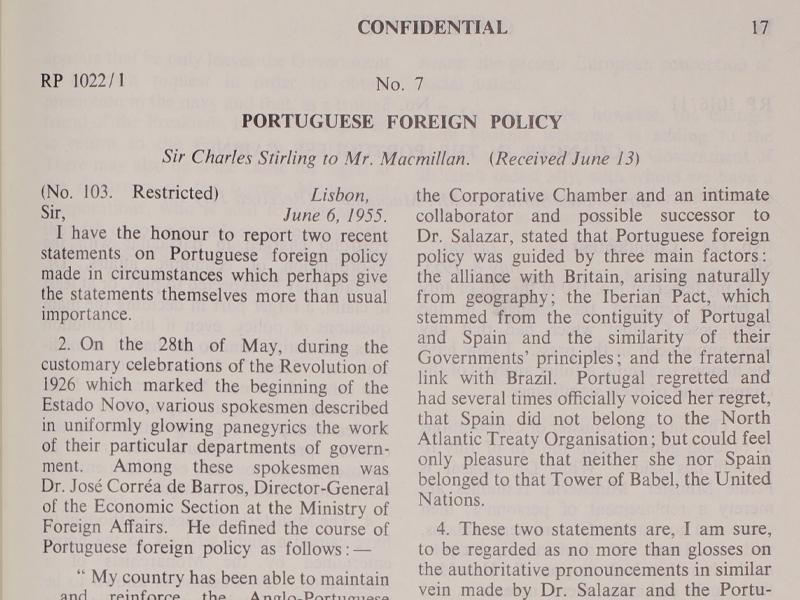
Licensed to access Anglo-Portuguese Relations (FO 494/8)
Insights
- Spain and Portugal had been major players in the first great wave of European imperialism, responsible for colonising vast swathes of the Americas, as well as substantial parts of Africa and Asia. By the nineteenth century, they had been surpassed in their imperial might by Britain and France, but they still remained major players at a global level. Spain governed Cuba, Puerto Rico, and the Philippines until the 1898 Spanish-American War, while Portugal maintained colonies in Angola, Mozambique, and Goa, among others, into the 1960s and 1970s.
- The Spanish Civil War was a critical moment in the fractious diplomatic landscape of the 1930s. It began in 1936, when right-wing military officers, who were soon headed by General Francisco Franco, staged a coup against the democratically-elected left-wing government. The war lasted for three years, during which time the liberal democracies (led by Britain) refused to support the legitimate government materially, and tried to sustain a flimsy international non-intervention plan. Nazi Germany and Fascist Italy sent troops, vehicles, and supplies to aid Franco, who eventually emerged victorious.
- In spite of the support that they had given to his side during the civil war, Franco did not join the Axis powers during the Second World War, choosing instead to remain neutral (as did Salazar’s regime in Portugal). This meant that, when the war ended in 1945, the Iberian countries survived as the two principal quasi-fascist states in Europe. In the polarised atmosphere of the Cold War, Britain chose to overlook their problematic ideologies and to see them instead as allies in the struggle against communism—Portugal was even a founding member of NATO.
- The Confidential Print series offers some of the most fascinating British Foreign Office material. It is of extremely high value to scholars and students situated within a range of academic fields. Significantly, these files represent the reports and correspondence which the Foreign Office deemed most important to preserve for posterity. In many cases, the material is clearly printed and organised chronologically, often in volumes which feature detailed contents pages, making it simple to navigate. As such, this collection offers an easy entry point into this rich and detailed archival content.
Coming soon...
Unlock Historical Research for Your Institution
Provide your students and researchers with direct access to unique primary sources.