
The Strand Magazine, 1891–1930 Coming Soon Overview

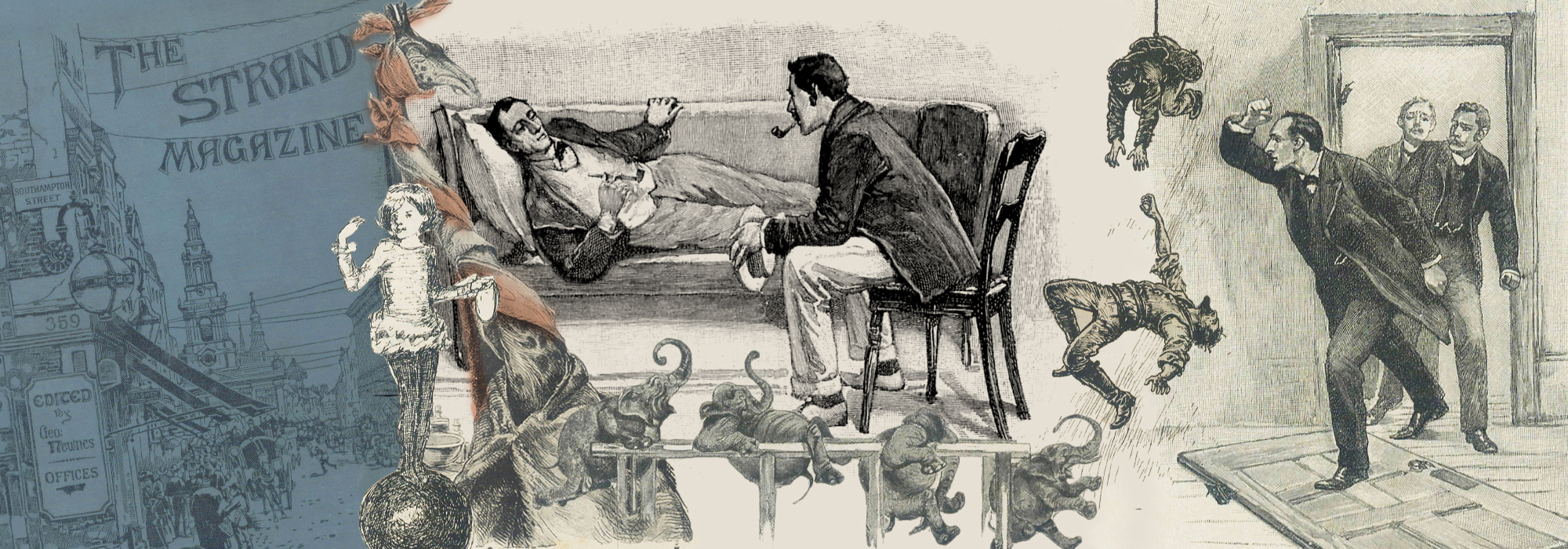
Decades of influential fiction, iconic illustrations, and popular culture
It will contain stories and articles by the best British writers, and special translations from the first foreign authors. These will be illustrated by eminent artists.
Receive Updates on Release
This collection is coming soon. However, you can register for a free trial here and obtain access as soon as it is released.
Register Institutional Interest
Register InterestExplore one of the defining publications of the late-Victorian and Edwardian eras
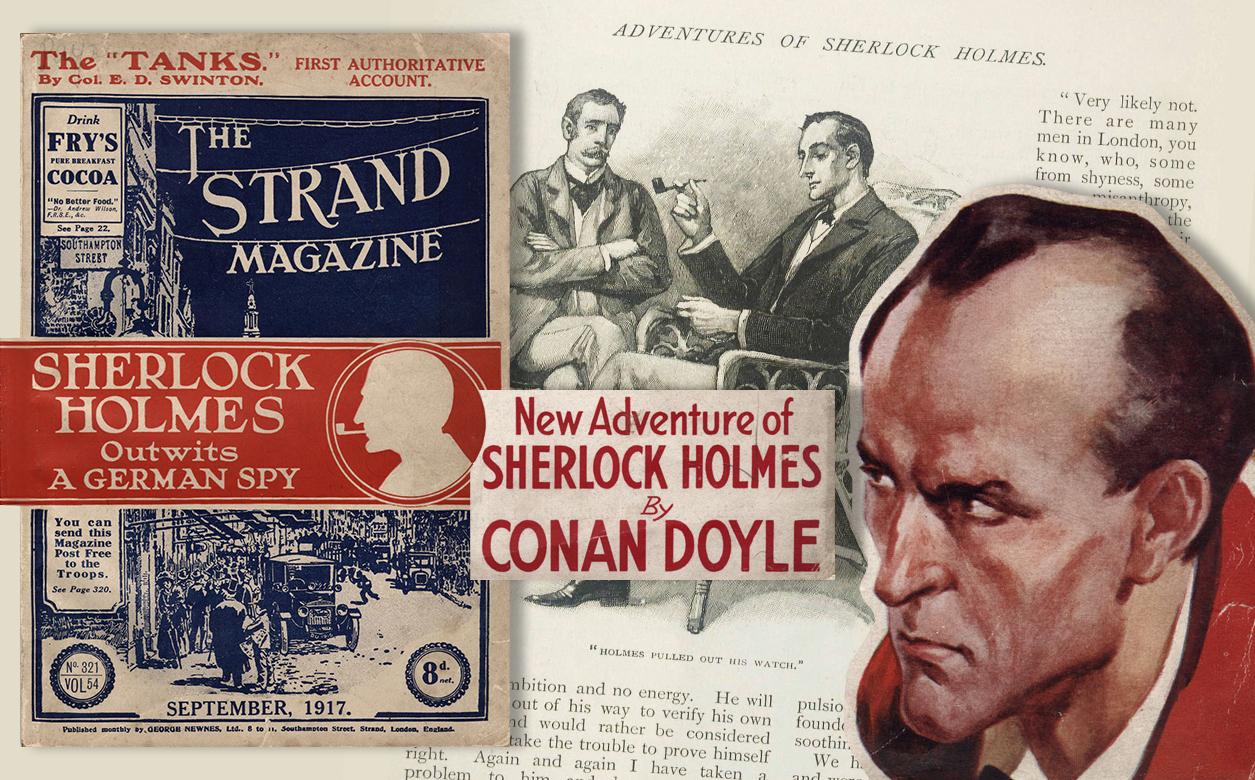
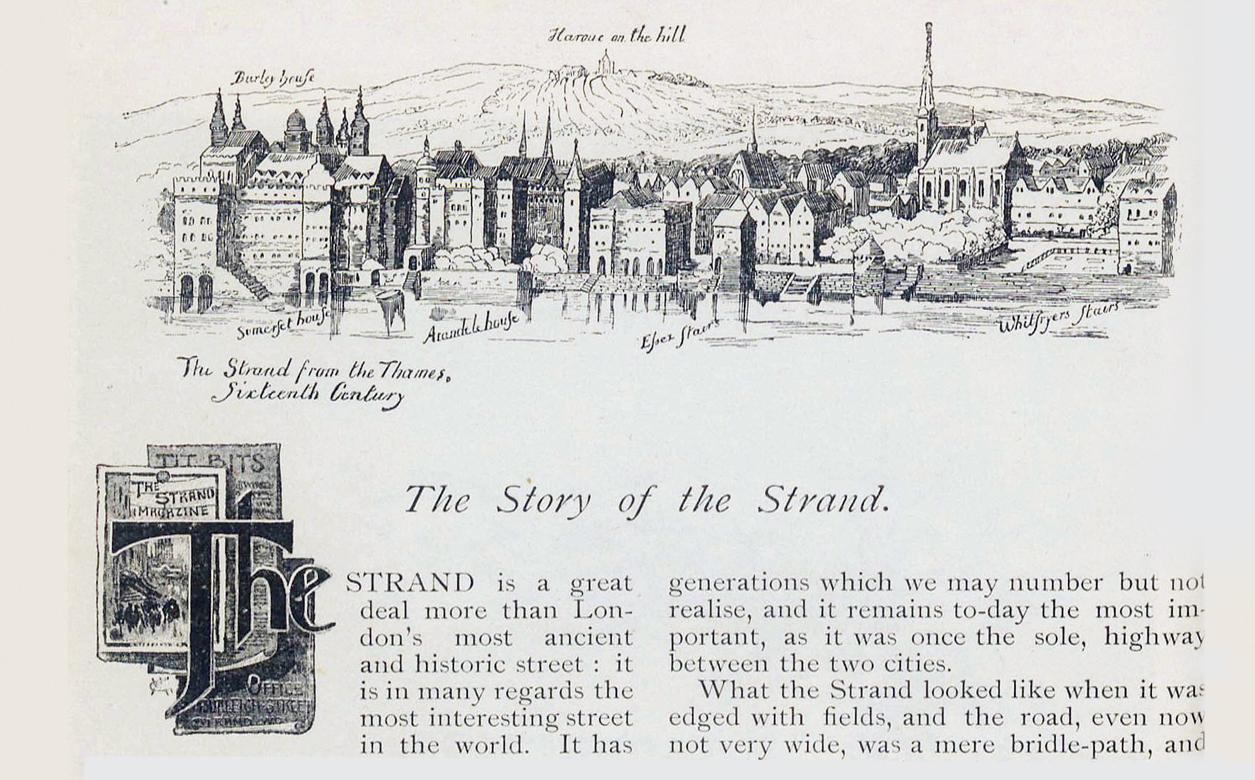
The Strand Magazine was one of the most influential and popular illustrated monthly periodicals of the late nineteenth and early twentieth centuries. Founded by George Newnes in 1890, the first issue appeared in January 1891, selling over 300,000 copies. The Strand soon attracted nearly half a million readers per month, with circulation figures remaining high until the 1930s. The magazine focused on fiction accompanied by general interest articles, eye-catching illustrations, interviews, puzzles, and educational features, offering readers an accessible and affordable form of entertainment.
Between 1891 and 1930, under the editorship of Herbert Greenhough Smith, The Strand developed into something of a British cultural institution, blending literary sophistication with broad, popular appeal.
It published an extraordinary range of genres, promoting the work of many leading writers of the period, including Agatha Christie, Arthur Conan Doyle, Graham Greene, Rudyard Kipling, Dorothy L. Sayers, W. Somerset Maugham, Leo Tolstoy, H. G. Wells, and P. G. Wodehouse.
Comprising editions of The Strand that were published monthly between 1891 and 1930, this fascinating collection is an invaluable resource for students, educators, and researchers exploring the social and cultural history of late-Victorian and Edwardian Britain. This comprehensive resource grants key insights into the evolution of consumer culture, journalism, popular literature, and leisure.
Excitingly, BOA’s digital archive also hosts the extensive back catalogues of The Illustrated London News and its nine so-called “sister” titles. Together with The Strand Magazine, these form an excellent resource for those interested in the history of British illustrated publishing, as well as associated trends and themes.
Register InterestContents
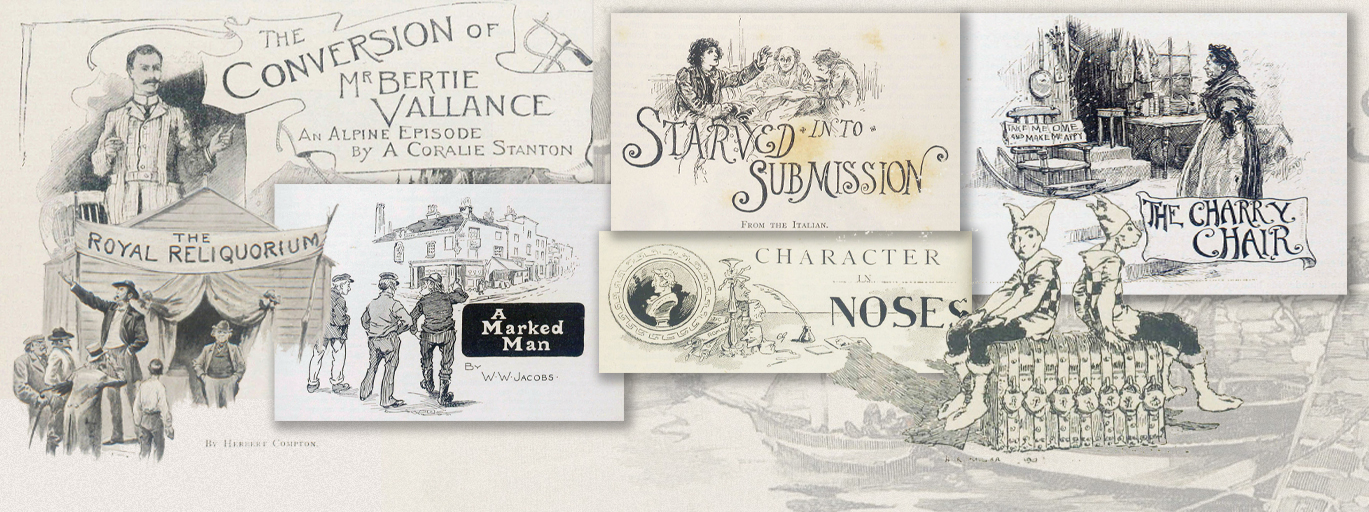
Highlights

Licensed to access Queen Victoria’s Dolls

Licensed to access Offices of The Strand Magazine

Licensed to access “Women’s Rights—and Men’s”

Licensed to access “A New Comedy of Errors”
Insights
- Newnes believed that readers who “work hard enough in everyday life” wanted their “recreation and their literature” to be “as light as possible”. Indeed, The Strand’s success was linked to his earlier magazine, Tit-Bits, which also aimed to entertain. By the early 1890s, around 600,000 copies of Tit-Bits were circulating weekly, providing Newnes with an established audience when he launched The Strand.
- The Strand is associated, famously, with Arthur Conan Doyle's fictional detective, Sherlock Holmes, and the character’s faithful sidekick and biographer, Dr John H. Watson. “A Scandal in Bohemia”, the first Holmes adventure to be published in The Strand, appeared in July 1891. Conan Doyle's ingenious plots, combined with Sidney Paget’s iconic illustrations, transformed Holmes into an international literary phenomenon and helped to establish the enduring reputation of The Strand. The serialisation of “The Hound of the Baskervilles” between April and August 1901 produced some of the magazine's highest circulation figures.
- Illustration was central to The Strand’s appeal and identity. Although not quite fulfilling Newnes’ initial ambition of supplying one on every page, his magazine nevertheless provided readers with copious illustrations per issue, including a number of full-page illustrations. Influential artists contributed, such as Arthur Twidle, Arthur Wallis Mills, Dudley Tennant, F. Carruthers Gould, and Gordon Browne. Illustrations did not simply accompany stories, but shaped the reader’s vision and understanding of characters and settings—Paget’s influential depictions of Holmes and Watson being a prime example. You can explore the work of prominent illustrators by utilising our detailed tag categories in the “Search Documents” facility.
- In the first issue of The Strand, Newnes declared that it would “contain stories and articles by the best British writers, and special translations from the first foreign authors”. Out of the fourteen short stories published in the first issue of the magazine, six were in translation. These included Alexander Pushkin’s "The Queen of Spades”, originally published in Russian in 1834, and “The Maid of Treppi” by Paul Heyse (who was awarded the Nobel Prize in Literature in 1910), a novella which first appeared in German in 1855. In May 1891, “Jenny”, written by Victor Hugo, the French Romantic author who published Les Misérables in 1862, appeared in translation in the magazine.
- Although it would become best known for detective and mystery stories, The Strand showcased a range of literary genres, including tales of the supernatural, science fiction, romance, as well as comedy and adventure stories. It also published children’s fiction, such as fairy tales. The popular children’s author, Edith Nesbit, contributed several stories. Her famous novel, Five Children and It, published in 1902, first appeared in The Strand in serial form under the title “The Psammead, or the Gifts” between April and December of the same year.
- The Strand published non-fiction, including educational, investigative, and general interest articles. Pieces spotlighting celebrity culture proved popular. “Portraits of Celebrities” and “Illustrated Interviews” were two regular non-fiction features which utilised the illustrated format of the magazine in order to offer unique visual and literary insights into the lives of celebrities of the time.
- For this collection, we have separated each issue of The Strand into its own document, making individual issues much easier to find and use. We have also included the original volume indexes as separate documents, such as the “January to June 1891 Index”. Our detailed tag filters provide additional ways to explore and navigate the collection, facilitating more targeted research.
Coming soon...
Unlock Historical Research for Your Institution
Provide your students and researchers with direct access to unique primary sources.

.svg)


